
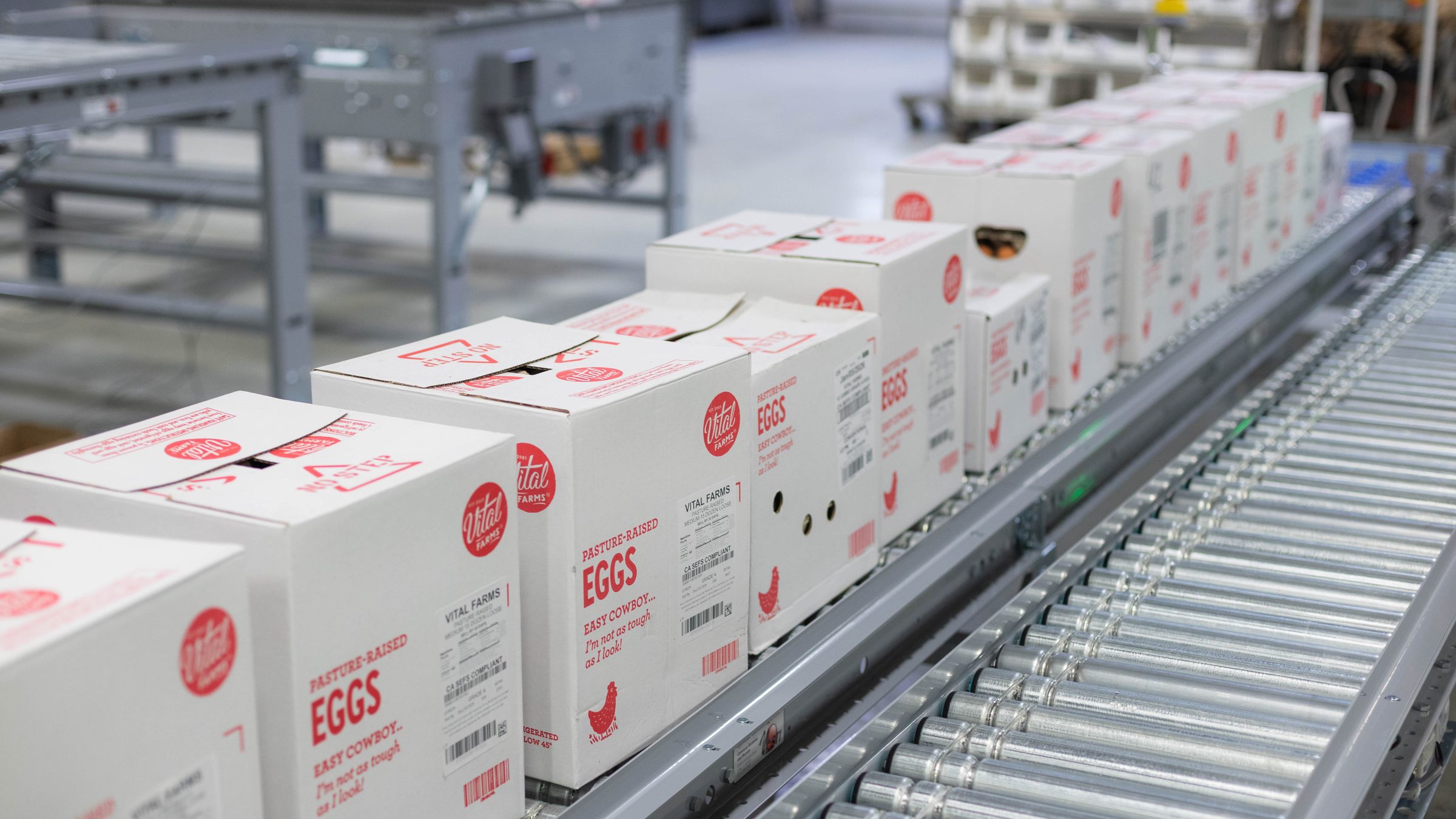
Accumulation is usually sized by whatever floor space was left over. Here is how to size it from the thing it is actually absorbing.
Accumulation is the least glamorous part of a packaging line and the part most likely to be sized wrong. It usually gets whatever floor space is left after the machines are placed, which is exactly backwards.
Accumulation exists to absorb a specific event: the downstream machine stopping. Size it from that event.
What accumulation is actually for
When a case sealer jams, a check weigher rejects, or an operator steps away from a pack station, everything upstream keeps producing for a few seconds or a few minutes. Accumulation is the buffer that lets upstream keep running instead of shutting the line down.
If the buffer is too short, a five-second stop propagates backwards and stops the filler. If it is too long, you have spent money and floor space on conveyor that never fills.
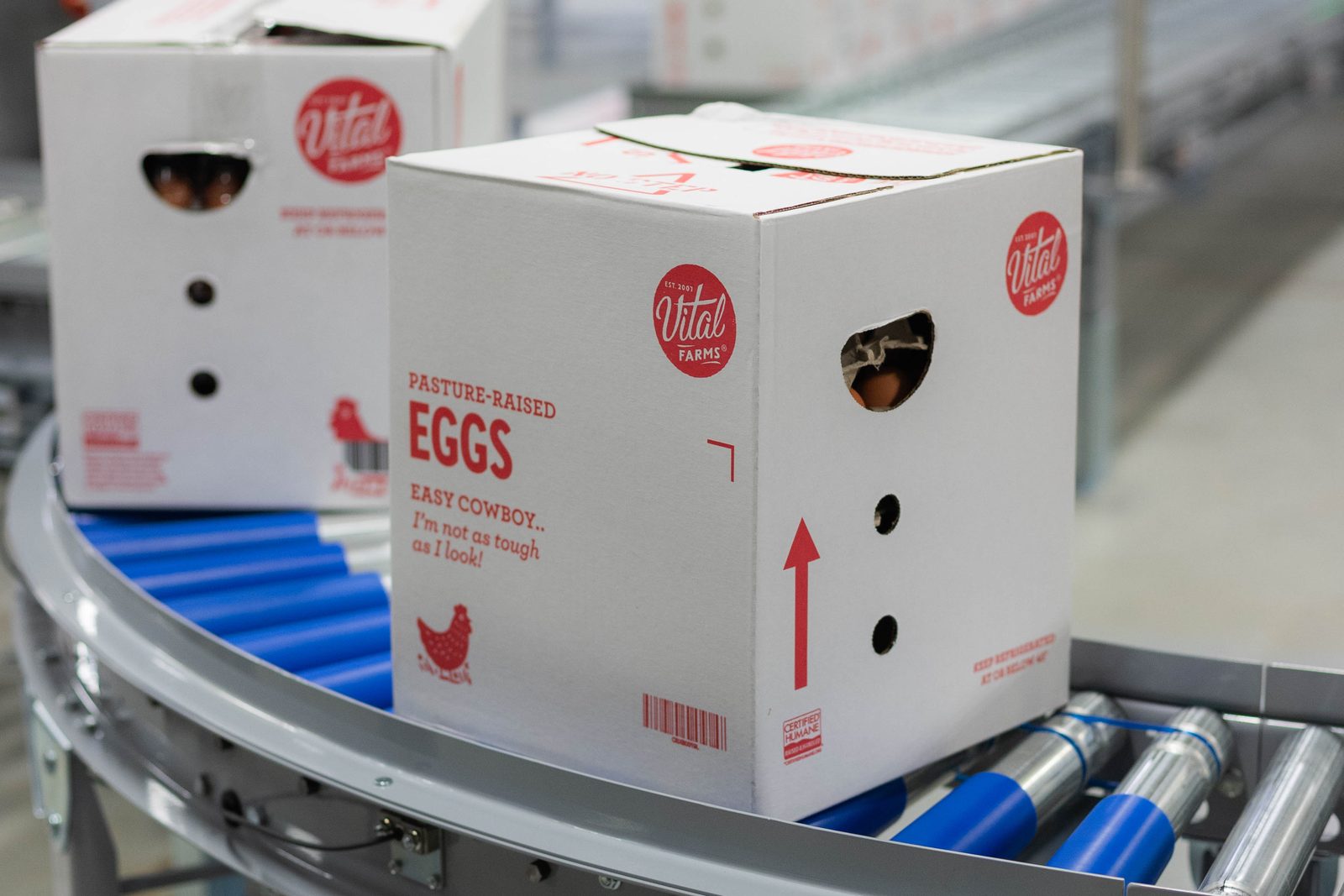
Size it from the stoppage, not the space
The inputs you need are unglamorous but few:
- Upstream rate: how many units per minute arrive while the downstream machine is down.
- Typical stoppage duration: not the worst case, the common case. Most lines have a handful of routine short stops and a rare long one.
- Unit footprint: length of the case or container along the direction of travel, plus the gap between units.
- Whether upstream can be slowed instead of buffered. Sometimes the cheaper answer is a variable-speed drive, not more conveyor.
Units arriving during the stop, multiplied by the space each one occupies, gives the length you need. The arithmetic is trivial. Getting honest numbers for the first two inputs is the actual work, and it usually means watching the line rather than asking.
Zero-pressure or minimum-pressure?
This is the decision that gets made by default most often.
| Zero-pressure (zoned) | Minimum-pressure | |
|---|---|---|
| How it works | Each zone stops independently; units do not touch | Units accumulate against each other with reduced driving force |
| Suits | Crushable, unstable, printed or delicate product | Rigid, robust cases where contact is harmless |
| Cost | Higher, more control, more zones | Lower |
| Watch for | Zone length must suit the product length | Back pressure at the discharge end |
If the product cannot take pressure from behind, the decision is made for you. If it can, minimum-pressure is usually the cheaper answer.
Roller accumulator or V-belt accumulator?
Both buffer product; they differ in how the rollers are driven and what they suit.
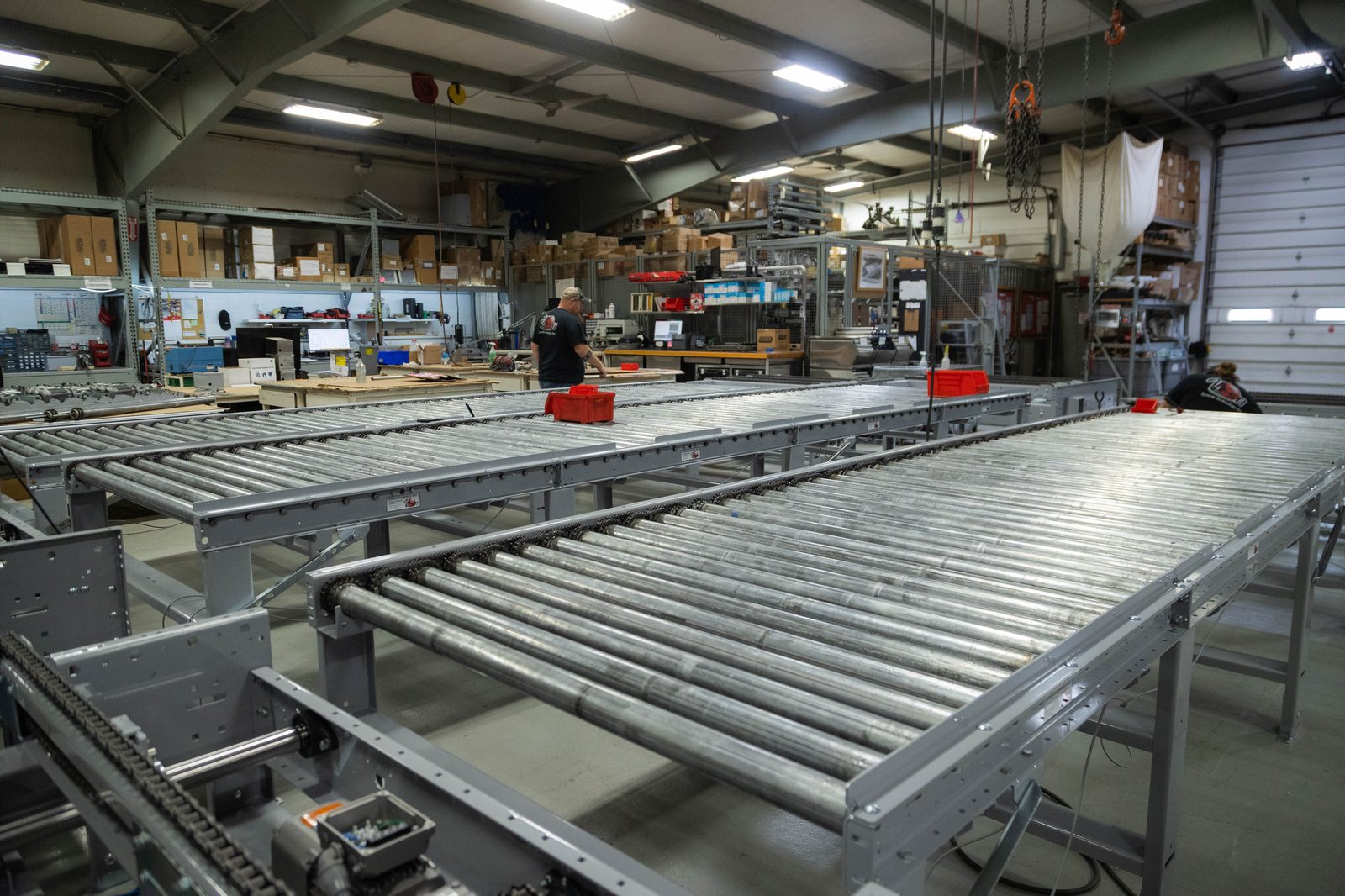
A roller accumulator built on a stainless frame with chain-driven rollers suits washdown environments and heavier product. A V-belt accumulator drives the rollers from a side-mounted V-belt, a simpler, quieter arrangement well suited to steady-rate case handling.
For washdown lines the frame material and cleanability usually decide it before the mechanics do.
Find the constraint before you buy conveyor
Accumulation absorbs variability. It does not fix a bottleneck. If one machine is simply slower than the line rate, no amount of buffer helps. You will just fill the buffer and stop anyway.
The test is simple: if the accumulation is full most of the time rather than cycling between empty and partly full, the problem is capacity, not buffering.
Three questions before specifying
- What is the longest stop we actually expect to absorb, and where did that number come from?
- Can this product take pressure from behind, honestly?
- Is the downstream machine slower than line rate, or just intermittent? Only one of those is an accumulation problem.
System Technology builds roller accumulators, V-belt accumulators and zoned powered-roller accumulation in our own shop in Joliet. If you can tell us the product, the rate and roughly how the downstream machine misbehaves, we can size it with you.